Laser Treatments, Botox, Fillers, and Pregnancy: What Patients Should Know

One of the questions I hear most often in the clinic is:
"I'm pregnant. Does that mean I can't have any cosmetic skin treatments at all?"
The short answer is: not necessarily.
Many people assume that every cosmetic procedure is strictly prohibited during pregnancy. In reality, the situation is often more complicated than that.
The reason many physicians take a cautious approach is not always because a treatment is known to be harmful to the baby. In many cases, the greater concern is what happens if an unexpected side effect occurs.
For example, certain laser treatments act locally within the skin and are not believed to directly affect the fetus. However, medicine rarely deals in absolutes. Skin irritation, inflammation, pigmentation changes, or allergic reactions can occasionally occur after treatment.
Outside of pregnancy, these issues can usually be managed without much difficulty. During pregnancy, however, some medications and treatment options may be limited.
That is why many cosmetic procedures are approached more conservatively during this period.
What Treatments Are Usually Deferred?
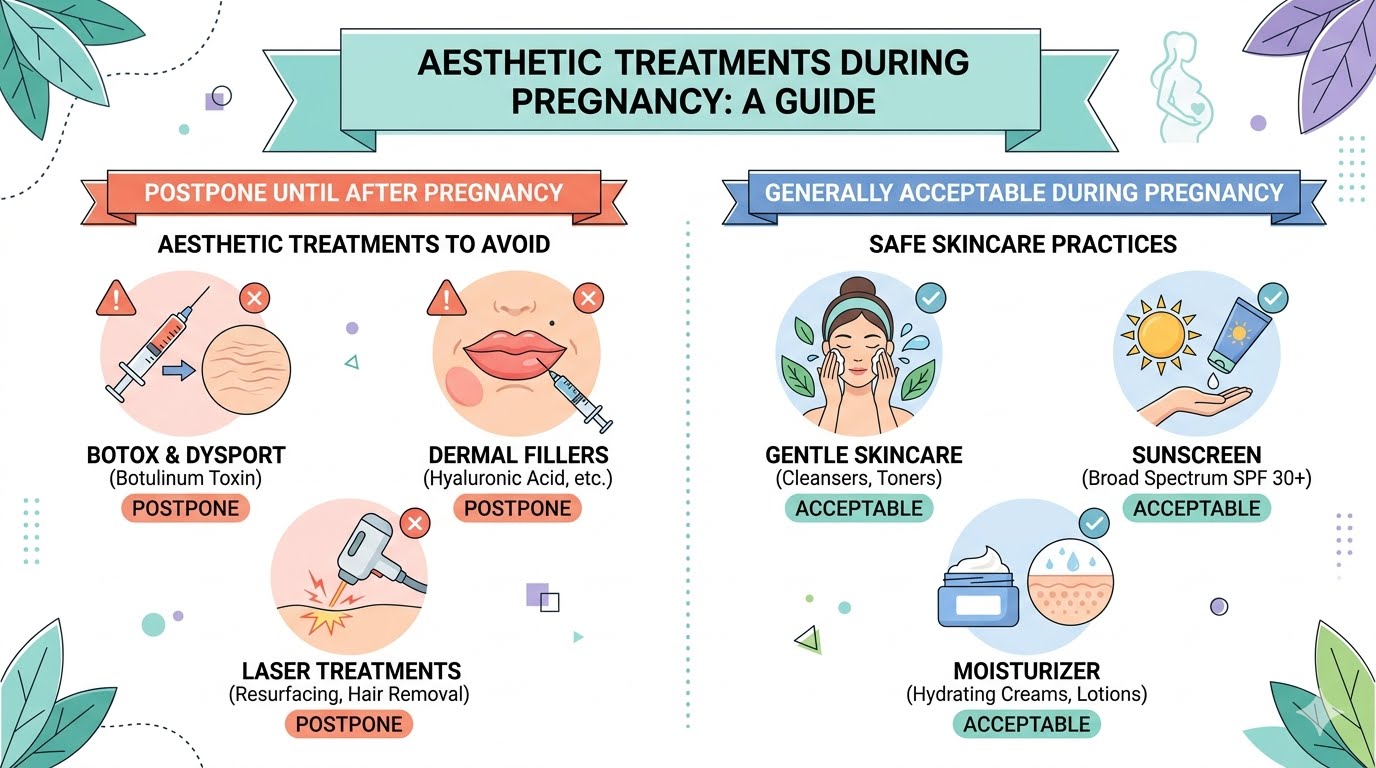
In general, most elective cosmetic procedures are postponed until after delivery.
This often includes:
- Botox injections
- Dermal fillers
- Lifting procedures
- Energy-based cosmetic treatments
- Various injectable treatments
This does not necessarily mean these procedures have been proven harmful during pregnancy.
Rather, there is often insufficient evidence to confidently establish their safety, and most physicians prefer to avoid unnecessary risks when a treatment can simply be delayed.
What About Laser Toning?
Laser toning is a common topic of discussion.
Personally, I consider it somewhat different from injectable treatments such as Botox or fillers. The laser energy acts locally within the skin and is not directly delivered to the fetus.
However, pregnancy-related pigmentation is heavily influenced by hormonal changes. Because of this, treatment outcomes may be less predictable, and pigmentation may change again after delivery.
For that reason, I generally prefer focusing on sun protection and skincare during pregnancy and reserving pigment-targeting laser treatments for after childbirth whenever possible.
Is LDM Safe During Pregnancy?
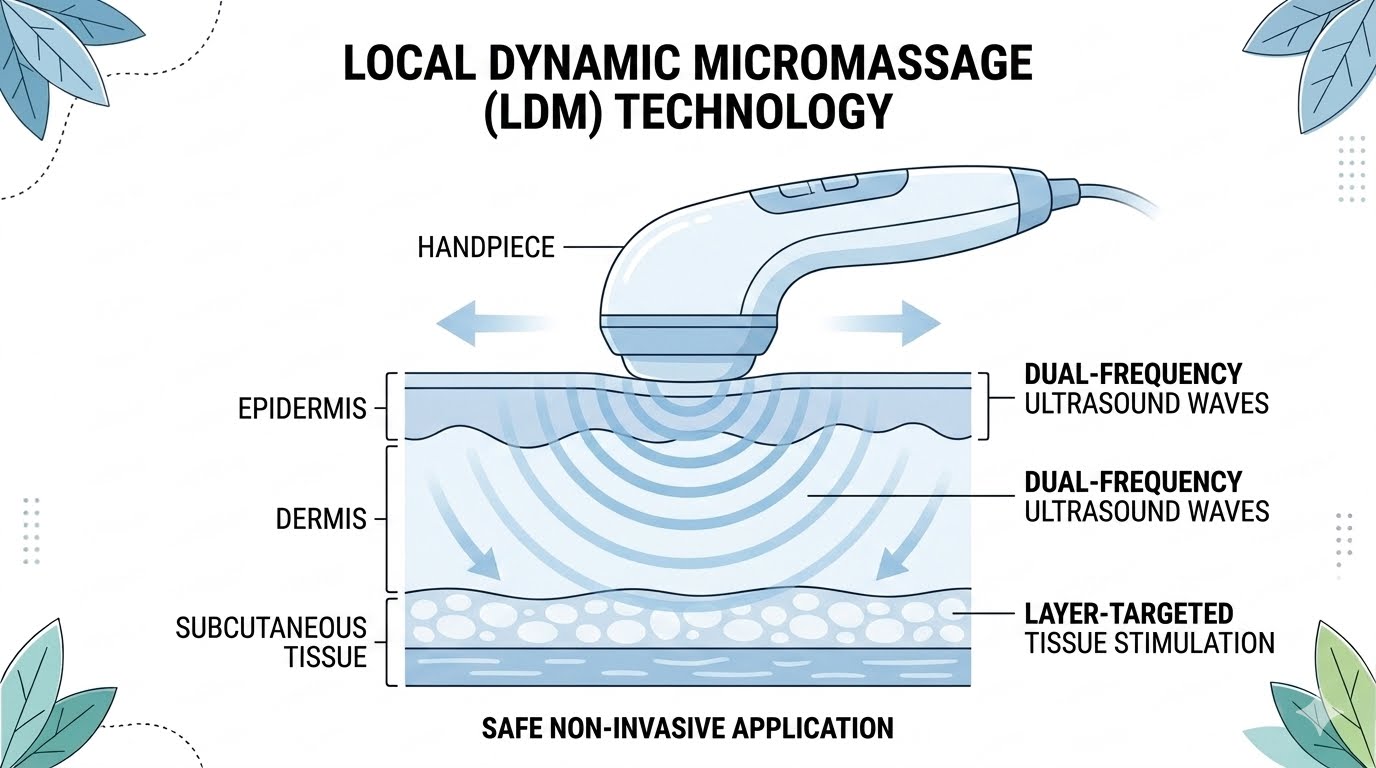
Patients sometimes ask about LDM because it uses ultrasound technology.
The question is understandable. After all, ultrasound is commonly used during pregnancy for fetal examinations.
From a theoretical standpoint, the likelihood of LDM causing direct harm to a fetus appears low. However, "probably safe" is not the same as "proven safe."
Because large-scale studies involving pregnant patients are difficult to conduct, definitive safety data are often unavailable.
As a result, many physicians still take a cautious approach unless treatment is clearly necessary.
What About Skincare Products?
Cosmetic procedures are not the only concern.
Certain vitamin A derivatives, including retinol and retinal-based products, are generally avoided during pregnancy.
On the other hand, ingredients such as:
- Hyaluronic acid
- Ceramides
- Moisturizers
- Vitamin C
are generally considered lower-risk options and are commonly used.
That said, pregnancy can make the skin more sensitive than usual. Products that previously caused no problems may suddenly lead to irritation or redness.
For most patients, maintaining a simple skincare routine with good moisturization and daily sunscreen use is often the safest strategy.
What If I Had a Treatment Before I Knew I Was Pregnant?
This is another very common concern.
In most cases, there is no reason to panic.
Many women undergo cosmetic procedures before realizing they are pregnant and go on to have completely healthy pregnancies and deliveries.
However, the details matter. The type of procedure, timing, and any medications involved should be reviewed with both your physician and your obstetrician.
Final Thoughts
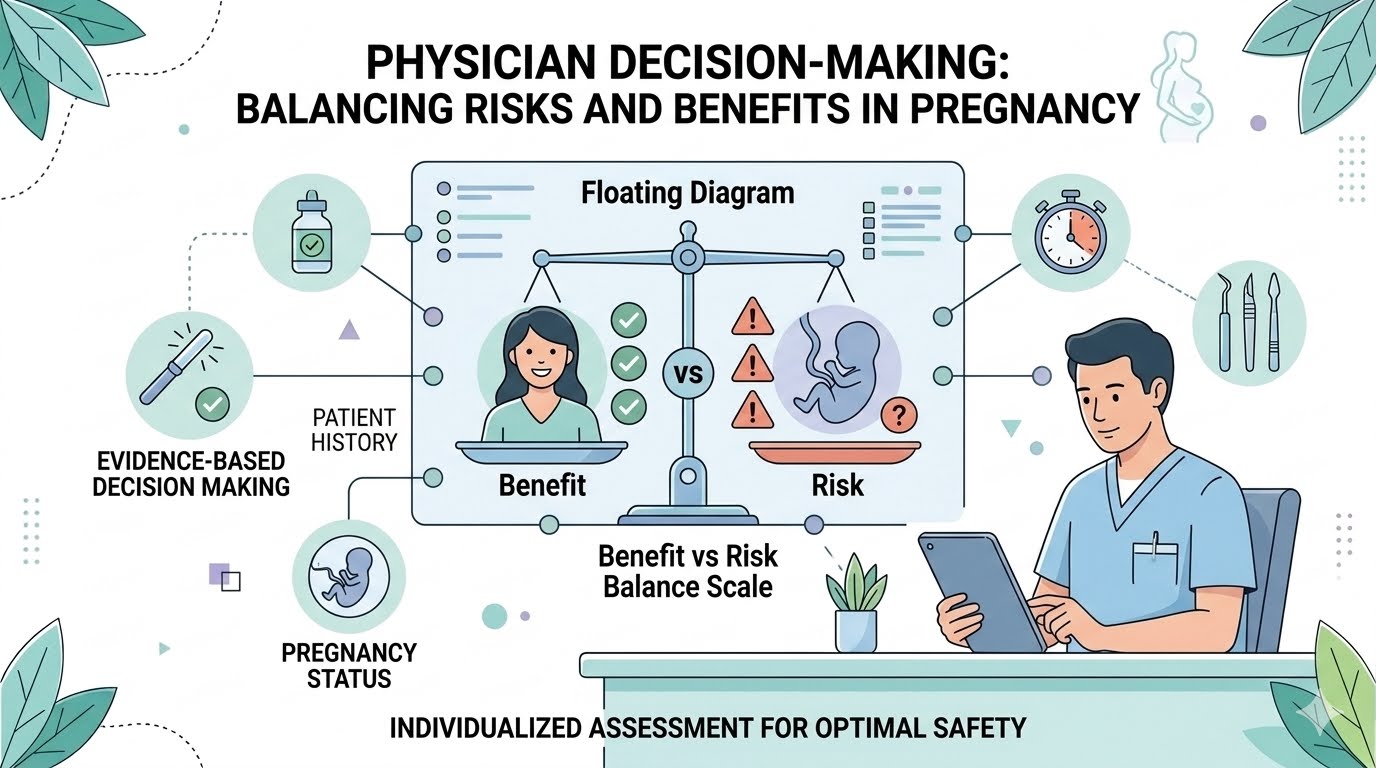
When discussing cosmetic treatments during pregnancy, I often come back to two simple questions:
"Does this really need to be done right now?"
and
"If an unexpected problem occurs, can we manage it safely?"
Most cosmetic treatments can wait.
Pregnancy is a unique period of life, and in many situations, prioritizing safety over convenience is the most reasonable choice.
About This Blog
This article was personally written by Dr. Bowon Lee, Medical Director of Dasibomnal Clinic in Seoul, South Korea.
Many medical blogs today are produced through marketing agencies or professional writers. The articles on this blog, however, are written by me between consultations and after clinic hours.
I am an aesthetic physician, not a professional writer. My goal is simply to share practical information based on questions I hear every day in the clinic.
As always, this article is intended for educational purposes only and should not replace individualized medical advice.
Thank you for reading.
— Bowon Lee, MD
Aesthetic Physician
Medical Director, Dasibomnal Clinic (SpirngDay Clinic, Sinchon, Seoul, Korea)